


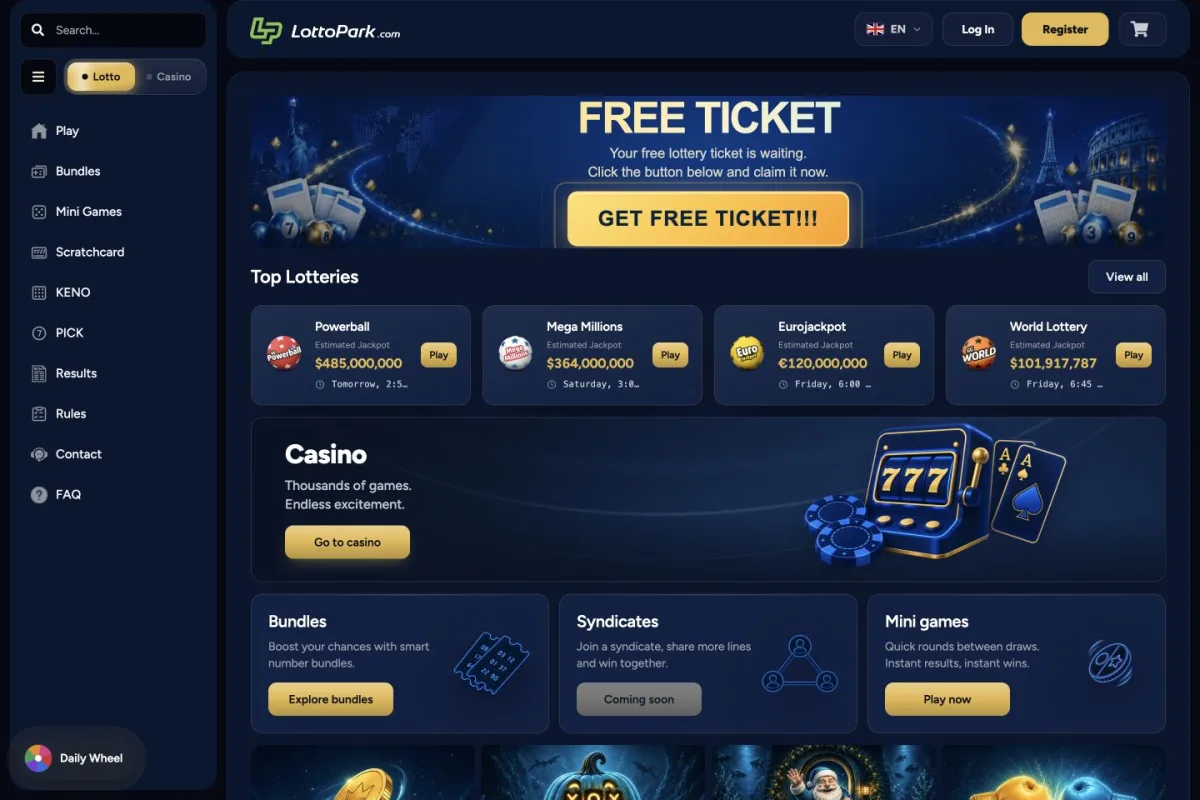
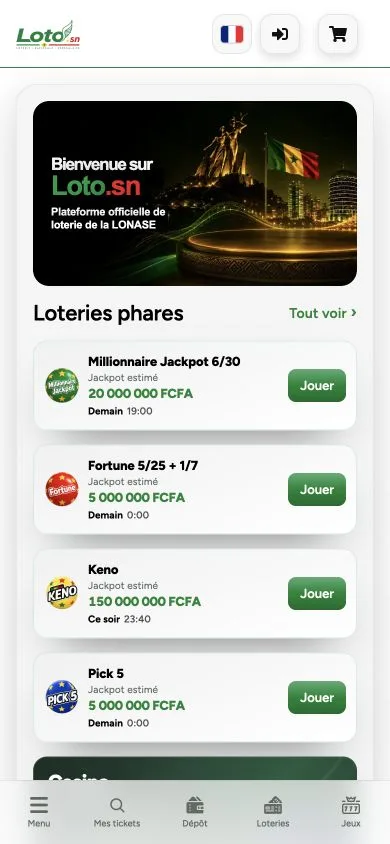
Turnkey is a delivery model, not a single fixed package. Your markets, product offer, existing systems and operating team determine the configuration. The proposal should make the software, services, exclusions and acceptance criteria visible before implementation starts.
A platform scope your team can evaluate
WhiteLotto brings lottery presentation, management tools, CRM and payment integration into the delivery discussion. The platform and module overview explains their relationships. For your project, connect each module to a player journey and an operator task.
| Workstream | Demonstration and acceptance focus |
|---|---|
| Lottery products | Catalogue, draw information, number selection, purchase handling, results and settlement exceptions. |
| Accounts and balances | Registration, access, transaction records, proposed wallet behaviour and reconciliation inputs. |
| Payment and verification flows | Selected partners, integration boundaries, decision owners and failed or interrupted journeys. |
| CRM and administration | Customer communications, access roles, operational reporting and agreed marketing workflows. |
| Brand and localisation | Domain, design, mobile experience, language, currency and the content required for launch. |
Separate delivered functionality from optional development and external services. Additional products or channels should have their own requirements instead of being assumed from the word “Turnkey”.
See the player journey and the operator response
Ask for a demo that follows a lottery purchase from the storefront to the administration environment. Review number selection, the proposed payment flow, the transaction record and the result or settlement step. Then see how the team handles an exception.
For an established operator, add your existing account or wallet requirement to that demonstration. For a migration, ask how current balances, transaction history and reporting will be checked. Demonstration data is sufficient; do not send production credentials or player records in a first enquiry.
Delivery with visible acceptance points
- Discovery: define markets, products, operating entities, existing systems and unresolved launch dependencies.
- Scope: approve modules, design, integrations, responsibility allocation, commercial terms and acceptance criteria.
- Configuration and integration: review the branded journeys and validate the agreed connections with authorised test data.
- Handover: prepare training, support contacts, reporting, reconciliation and release approval.
- Go-live: confirm readiness, approve the release and document how to pause or recover the affected services.
WhiteLotto’s 21-day launch path is conditional on scope and readiness. Establish which inputs must already be complete and how external approvals affect the date. The lottery launch readiness checklist supports that handover.
Agree who operates each workflow
Platform delivery does not mean every operational task transfers to the provider. Define ownership before configuration so staff permissions, reports and escalation paths match the real operating model.
| Owner | Responsibilities to specify |
|---|---|
| Operator | Market arrangements, customer policies, acquisition, operational staffing and approvals retained by its organisation. |
| Platform provider | Agreed software delivery, configuration, integrations, technical training and contracted maintenance or support. |
| External partners | Payment acceptance, verification, game or ticket services and their service dependencies. |
If you want a more managed platform partnership, evaluate the White Label platform alongside Turnkey. The delivery-model comparison adds data rights, architecture and custom development to the decision.
Integrations, data access and migration
For each connection, record the systems involved, required data, authentication boundary, failure handling and reconciliation owner. Confirm whether the proposed configuration already supports the interface or requires new work. This page does not imply that a particular payment or verification provider is integrated.
Specify access roles, permitted data use, export formats and exit assistance. Migration needs a separate plan for accounts, balances, open transactions, reporting continuity and approval of the cutover. Source-code rights, hosting responsibilities and change control also belong in the contract; they are not automatically transferred by the Turnkey label.
Compare delivery cost and operating cost
Ask for setup and implementation, hosting, support, integrations, usage-based charges and third-party fees to be shown separately. Include future changes, internal staffing and transition costs in your comparison. The three-year TCO guide helps structure scenarios without inventing a universal platform price.
Agree service hours, response commitments, maintenance arrangements, access controls and recovery responsibilities for the proposed environment. Use the security and SLA checklist to organise these questions rather than assuming a certification or uptime commitment.
Turn the proposal into reviewable work packages
A Turnkey lottery platform proposal becomes easier to approve when each deliverable has a named owner, a dependency and evidence of completion. Instead of accepting one line called “platform implementation”, ask for a work-package register covering configuration, integration, content, operational preparation and release. This is a way to assess the proposed delivery, not a fixed package that every project receives.
For each package, record its input, expected output, reviewer and approval point. Identify who supplies domains, approved brand assets, translated content, partner test access and business rules. A payment connection can be technically ready while partner approval remains open; keep those statuses separate. Use the provider evaluation and RFP checklist to request comparable responses, and the API integration guide to define connection boundaries.
What evidence should accompany operational handover?
Handover should let the receiving team operate the agreed scope without guessing how it was configured. Request a versioned acceptance pack that identifies the release, environment, tests, unresolved exceptions and responsible approvers. A completed checklist is useful only when its entries point to reviewable evidence and describe what remains outside the accepted scope.
| Acceptance area | Evidence to review | Decision to record |
|---|---|---|
| Configured release | Release identifier, configuration record and agreed product, language and currency scope. | Which version and environment are accepted? |
| Connected journeys | Results for purchase, payment, verification, settlement and interrupted-flow scenarios. | Which failures block launch, and which have an approved workaround? |
| Operational access | Role matrix, authorised access handover, training record and reconciliation procedure. | Who can act, review and escalate each operational task? |
| Recovery and support | Pause or recovery procedure, support route, release contacts and outstanding issue register. | Who decides to continue, pause or recover the affected service? |
| Transition and exit | Agreed export scope, sample data validation, retained dependencies and transition responsibilities. | What can be transferred, and what assistance is contracted? |
The UAT and go-live acceptance checklist expands the test scenarios. Keep business acceptance distinct from technical completion: an unresolved operating decision needs an owner and date, even when a demonstration succeeds. The launch partner map helps identify that decision owner.
Control changes after the initial launch
Agree how the accepted baseline will change. A change request should identify the affected journey, dependencies, commercial impact, acceptance checks and person authorised to approve it. Define whether support covers incident resolution, configuration changes or new development; those are different activities. Maintain a release history so the operations team can connect an issue to the version actually running.
Also agree how access, data exports and operational instructions will be kept current. Exit preparation is not only a contract clause: sample exports should be understandable, identifiers should remain usable, and open transactions need a documented treatment. The platform migration guide covers transition planning without assuming that source code or every external service transfers with the platform.
Use the operator readiness library to build your review brief. For a delivery discussion, describe the work packages you want the proposal to address, the team receiving the handover and any systems that must remain in place. CONTACT
Turnkey platform questions
Does Turnkey include a licence?
Confirm the operating entity, markets and required permissions separately. A software purchase does not itself establish permission to operate.
Can we retain an existing account or wallet?
Include the requirement in the technical scope. Feasibility depends on interfaces, transaction rules, data rights and acceptance checks.
Does Turnkey mean we own the source code?
Not automatically. The agreement must define software rights, hosting, changes, exports and the handover available at exit.
What should our team receive at operational handover?
Your team should receive an agreed, versioned handover pack covering accepted UAT evidence, the environment and authorised access inventory, operating runbooks, training and known issues with named owners and escalation routes. It should also define support and SLA responsibilities, backup and restore procedures, rollback decisions and the export access agreed in the contract. Confirm who signs off each item and how documents stay current after launch. Use the UAT and go-live acceptance checklist to structure that review.
How do custom integrations affect the implementation timeline?
Custom integrations affect the timeline through interface readiness, provider approvals, sandbox access, documentation and the transaction rules that both systems must follow. Agree responsibilities and acceptance tests for draw cut-offs, reconciliation and error paths before setting a launch date. Separate the accepted baseline from later change requests, and record dependencies and release approval points. The lottery API integration guide helps define the scope; a technical connection being complete does not mean every external approval is ready.
Discuss a Turnkey delivery scope
Bring your company, role, target markets, products, licence status, existing systems and intended launch date. The next step is a relevant demo and an implementation proposal.

Wojciech Lysak is Managing Director of White Lotto and a senior iGaming B2B expert with nearly 20 years of experience. He specializes in white label online lottery platforms, turnkey solutions, gaming systems, and scalable B2B solutions for operators across global markets.
A recognized industry leader and visionary, he actively participates in major iGaming events worldwide and has led the creation of multiple successful platforms and projects across the gaming sector.
If you’re interested in starting your own online business in the iGaming sector, Wojciech will help you take your first steps on the path to success. LinkedIn